The Forbes Lectureship is an integral part of the Marine Biological Laboratory (MBL) Grass Fellowship Program. This Lectureship began in 1959 in honor of Alexander Forbes.
Each year a high-profile scientist from outside the MBL community is invited by the Trustees of The Grass Foundation to present two lectures, one of which is part of MBL's Friday Evening Lecture Series. In addition, the scientist spends time in residence with the Grass Fellows.
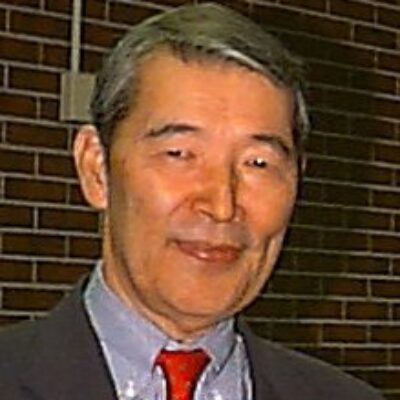
The 2011 Forbes Lecturer was Russell D. Fernald, Ph.D., Stanford University .
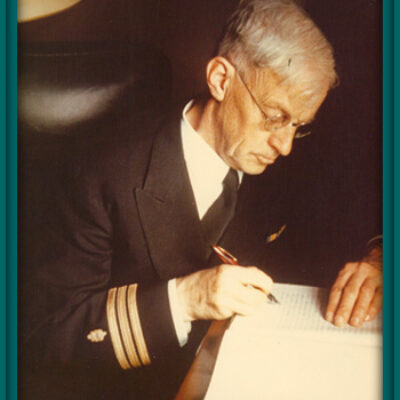
The scientific career of Alexander Forbes spanned fifty-six years of active research and saw the development of the realm of neurophysiology to which he contributed over 100 publications.
As a proper Bostonian of his day he could scarcely avoid going to Harvard. He graduated in 1905. He also received a Master's Degree in Biology from that institution in 1906 before undertaking a degree at Harvard Medical School. By the time he received his M.D. in 1910 he had been infected with the lure of the research laboratory while he learned the rudiments of electrophysiology with Professor G. H. Parker. In his fourth year of studies he was challenged by application of these techniques to problems in inhibition in the central nervous system reflex pathways under the guidance of Professor Walter B. Cannon.
After Forbes graduated Dr. Cannon immediately offered him the position of Instructor in Physiology, but further suggested he go to Liverpool to work with Sir Charles Sherrington for two years. In England Forbes also spent a short time with Keith Lucas and E. D. Adrian in Cambridge while they were pioneering the biophysics of peripheral nerve.
The Forbes Lectureship is an integral part of the Marine Biological Laboratory (MBL) Grass Fellowship Program. This Lectureship began in 1959 in honor of Alexander Forbes.
Each year a high-profile scientist from outside the MBL community is invited by the Trustees of The Grass Foundation to present two lectures, one of which is part of MBL's Friday Evening Lecture Series. In addition, the scientist spends time in residence with the Grass Fellows.
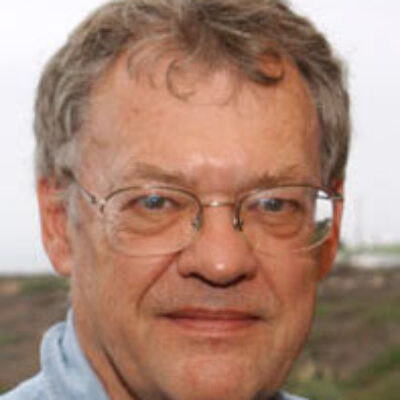
The 2011 Forbes Lecturer was Russell D. Fernald, Ph.D., Stanford University .
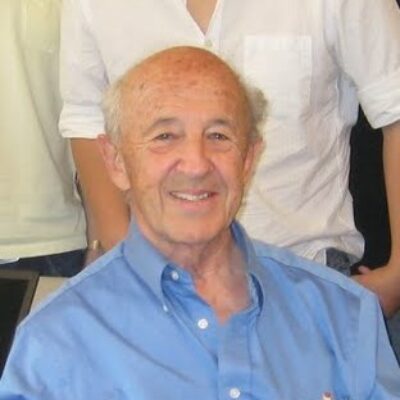
The scientific career of Alexander Forbes spanned fifty-six years of active research and saw the development of the realm of neurophysiology to which he contributed over 100 publications.
As a proper Bostonian of his day he could scarcely avoid going to Harvard. He graduated in 1905. He also received a Master's Degree in Biology from that institution in 1906 before undertaking a degree at Harvard Medical School. By the time he received his M.D. in 1910 he had been infected with the lure of the research laboratory while he learned the rudiments of electrophysiology with Professor G. H. Parker. In his fourth year of studies he was challenged by application of these techniques to problems in inhibition in the central nervous system reflex pathways under the guidance of Professor Walter B. Cannon.
After Forbes graduated Dr. Cannon immediately offered him the position of Instructor in Physiology, but further suggested he go to Liverpool to work with Sir Charles Sherrington for two years. In England Forbes also spent a short time with Keith Lucas and E. D. Adrian in Cambridge while they were pioneering the biophysics of peripheral nerve.